Kitchen Joinery Vs. Cabinetry: What’s The Difference & Which Do You Need?
Planning a kitchen renovation often begins with collecting inspiration images and exploring layout ideas, but it soon raises important practical questions. One of the most common areas of confusion is the difference between joinery and cabinetry, as these terms are often used interchangeably. While they are closely related, they can describe different approaches depending on the scope and complexity of the project.
For homeowners researching kitchen joinery in Wollongong, understanding the differences between joinery and cabinetry helps set realistic expectations for design flexibility, construction methods and overall outcomes. Knowing which option suits your space can streamline decision-making, support clearer discussions during the planning stage and reduce uncertainty as the project moves from concept to construction.
Understanding Kitchen Joinery at a Practical Level
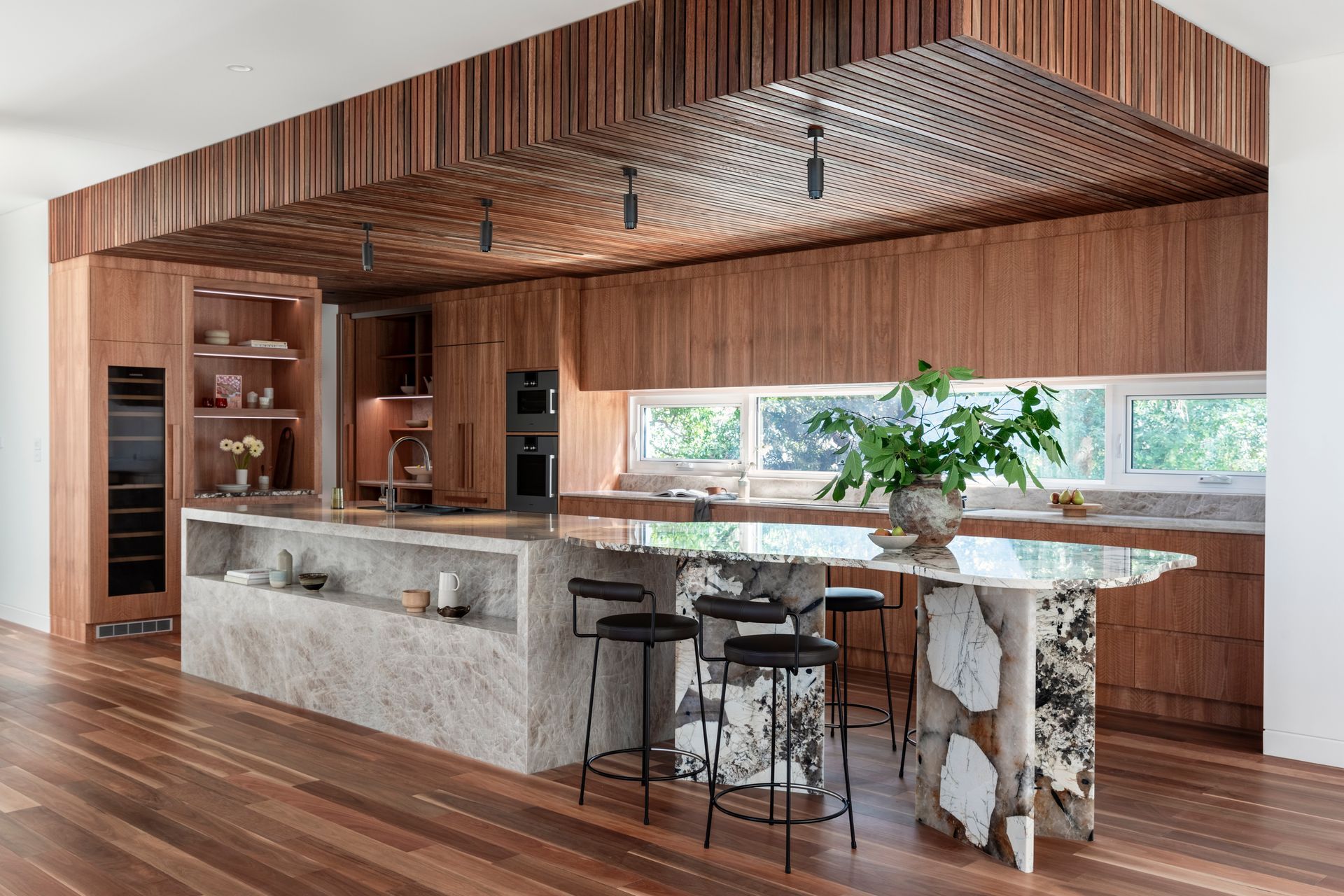
Kitchen joinery generally refers to custom-built components designed for a specific space. Rather than relying on standard dimensions, joinery is planned and constructed to suit the exact layout, proportions and functional requirements of a kitchen.
Joinery commonly includes:
- Custom cupboards & drawers
- Integrated panels & coordinated finishes
- Built-in features tailored to the room
As joinery is made to measure, it allows for precise alignment with walls, ceilings and appliances, reducing the need for fillers or adjustments. This approach is often chosen for kitchens with complex layouts or where a seamless, cohesive finish is important. Joinery considers how all elements work together as a complete system, creating a unified look and improving overall functionality throughout the space.
What Cabinetry Means in Kitchen Design
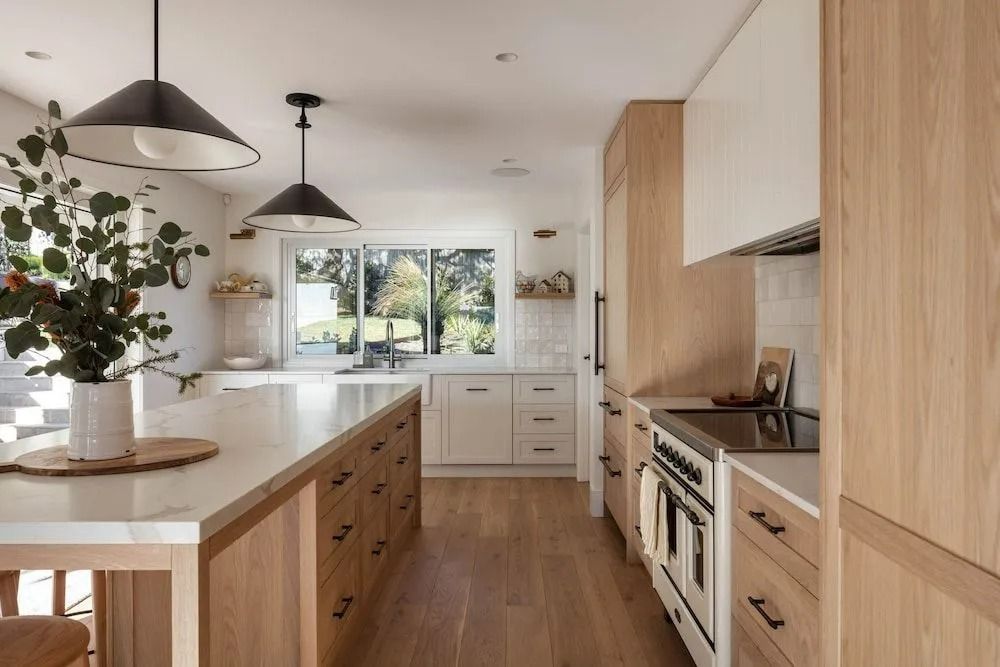
Cabinetry typically refers to the cabinets themselves, which may be custom-made or produced in standard sizes. In many kitchen projects, cabinetry is manufactured to set dimensions, which are then adjusted to suit the overall layout.
Cabinetry often involves:
- Modular cabinet units
- Pre-determined sizing options
- Standardised construction methods
This approach allows cabinets to be combined in different configurations to create functional storage solutions. While cabinetry can still deliver a high-quality finish, it may rely on fillers or modifications to accommodate uneven walls or gaps. Cabinet makers focus on creating practical, durable storage units that work together efficiently, making cabinetry a suitable option for kitchens with straightforward layouts and minimal structural variation.
Why Joinery & Cabinetry Are Often Confused
The confusion between joinery and cabinetry largely comes from how the terms are used in everyday conversation. Many people use them interchangeably to describe kitchen storage, even though they can imply different levels of customisation.
Reasons for confusion include:
- Both involve cupboards & storage
- Both can be custom or semi-custom
- Industry terminology varies
In practice, cabinetry can be part of a broader joinery solution. Joinery often encompasses cabinetry along with panels, trims and integrated features. Understanding this distinction clarifies what is included in a kitchen quote and the available design flexibility.
Custom Joinery vs. Standard Cabinet Solutions
Custom joinery and standard cabinetry offer different advantages depending on the scope and complexity of a kitchen project. Joinery is designed and built from the ground up, while standard cabinetry relies on pre-set modules that are adapted to suit the available space.
The key differences include:
- Joinery allows precise fit & seamless integration
- Cabinetry may require fillers or on-site adjustments
- Joinery supports complex or non-standard layouts
Custom joinery is often selected for kitchens with unusual dimensions, architectural features or specific design requirements. Standard cabinetry can work well in spaces with simple layouts where efficiency and consistency are prioritised. Choosing between the two depends on how tailored the finished kitchen needs to be and the level of design flexibility required.
How Project Scope Influences Your Choice
The size and complexity of a kitchen project play a major role in determining whether to use joinery or cabinetry. Renovations involving structural changes, unique layouts, or integrated features often benefit from a joinery-based approach.
The factors that influence the decision include:
- Existing wall & ceiling alignment
- Appliance integration requirements
- Desired level of design continuity
Smaller updates or straightforward replacements may work well with cabinetry solutions. Larger or more detailed projects often require the flexibility that joinery provides. Understanding project scope early helps align design expectations with practical outcomes.
Design Flexibility & Finish Options Explained
One of the main advantages of joinery is design flexibility. Because components are made specifically for the space, finishes, materials and configurations can be selected with greater freedom.
Joinery allows for:
- Continuous finishes across surfaces
- Custom internal storage solutions
- Seamless integration with appliances
Cabinetry can still offer a range of finishes, but options may be limited by available sizes or construction methods. For homeowners seeking a highly cohesive look, joinery often provides more control over visual and functional details.
Budget, Timeline & Installation Considerations
Both joinery and cabinetry involve different budget and timeline considerations. Joinery projects typically require more detailed planning and manufacturing time, while cabinetry can sometimes be installed more quickly.
Key considerations include:
- Joinery may involve longer lead times
- Cabinetry can suit tighter schedules
- Installation complexity varies
Budget planning should account for design, manufacturing and installation stages. Clear communication around scope and expectations helps avoid surprises and ensures the chosen solution aligns with the overall renovation plan.
Choosing the Right Solution for Your Kitchen
Deciding between joinery and cabinetry ultimately comes down to the kitchen’s specific needs and the renovation’s goals. There is no universal right answer, only what best suits the space and how it will be used.
Questions to consider include:
- How customised does the kitchen need to be?
- Are there layout challenges to address?
- What level of finish is expected?
Kitchen cabinet makers in Wollongong often work across both approaches, helping homeowners navigate these decisions with clarity.
Bringing Your Kitchen Plans Together
At Paiano Custom Kitchens, we work with homeowners to determine whether joinery, cabinetry or a combination of both best suits their kitchen plans. With local knowledge and a focus on tailored solutions, we help translate ideas into functional designs that respond to the realities of each space.
If you are exploring kitchen joinery in Wollongong or comparing cabinetry options, get in touch with us to discuss your project and take the next step in your kitchen renovation.